Landscaping
How Much Does Landscaping Cost in Dubai? A Complete 2026 Guide
What villa landscaping costs in Dubai, why prices vary so widely, and how to budget for hardscape, planting, irrigation, lighting and outdoor structures.
Read Article
Villa Renovation
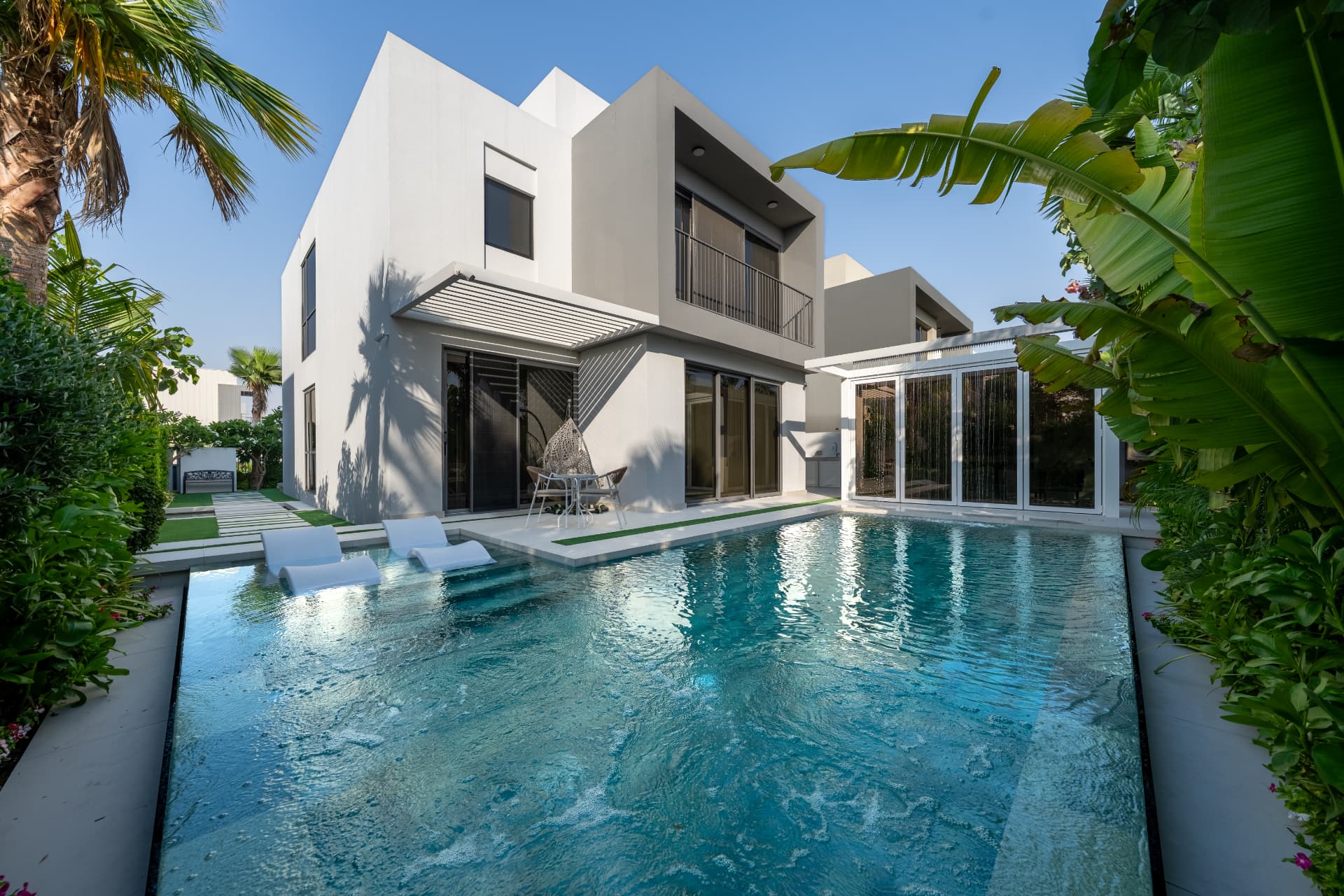
A successful villa renovation should do more than replace finishes. The strongest projects improve how the property works as a whole — from interior layout and materials to the garden, pool, entrances, terraces and the spaces between inside and outside.
What adds the most value to a villa renovation in Dubai?
There is no single improvement that adds the most value to every villa. The most effective renovations usually improve a combination of layout, functionality, the connection between interior and exterior spaces, kitchens and bathrooms, storage, lighting, technical systems, outdoor living, landscaping, pool areas, material consistency and maintenance requirements. For some villas the biggest improvement is opening the ground floor and connecting it to the garden; for others it is upgrading bathrooms, adding an extension, redesigning the landscape or improving an existing pool environment. The correct priority depends on the property and how it will be used.
For Dubai homeowners the villa and its external environment are often used together for a significant part of the year, so renovation can involve far more than changing a kitchen or bathroom.
A renovation may include interior redesign, extensions, new bathrooms, flooring, joinery, lighting, MEP upgrades, façade changes, landscaping, swimming pools, pergolas, outdoor living and water features. The greatest value usually comes from improving the property as one connected environment rather than renovating individual spaces without an overall plan.
One of the most expensive renovation mistakes is investing heavily in finishes without first resolving how the property functions. Before choosing flooring, cabinetry or wall finishes, look at circulation, room proportions, unused spaces, storage, the kitchen position, the connection between rooms, access to the garden, natural light, views and privacy.
A better layout can create a more noticeable improvement than simply replacing visible finishes. Potential changes include:
NoteStructural alterations must be assessed appropriately before walls or structural elements are changed.
One of the biggest opportunities in a Dubai villa is often the relationship between indoor and outdoor space. Instead of treating the garden as a separate project, consider how it is viewed and accessed from the living room, dining room, kitchen, bedrooms, corridors and entrance areas.
A successful transition does not mean using exactly the same material everywhere. It means the architecture, interiors and landscape feel intentionally related.
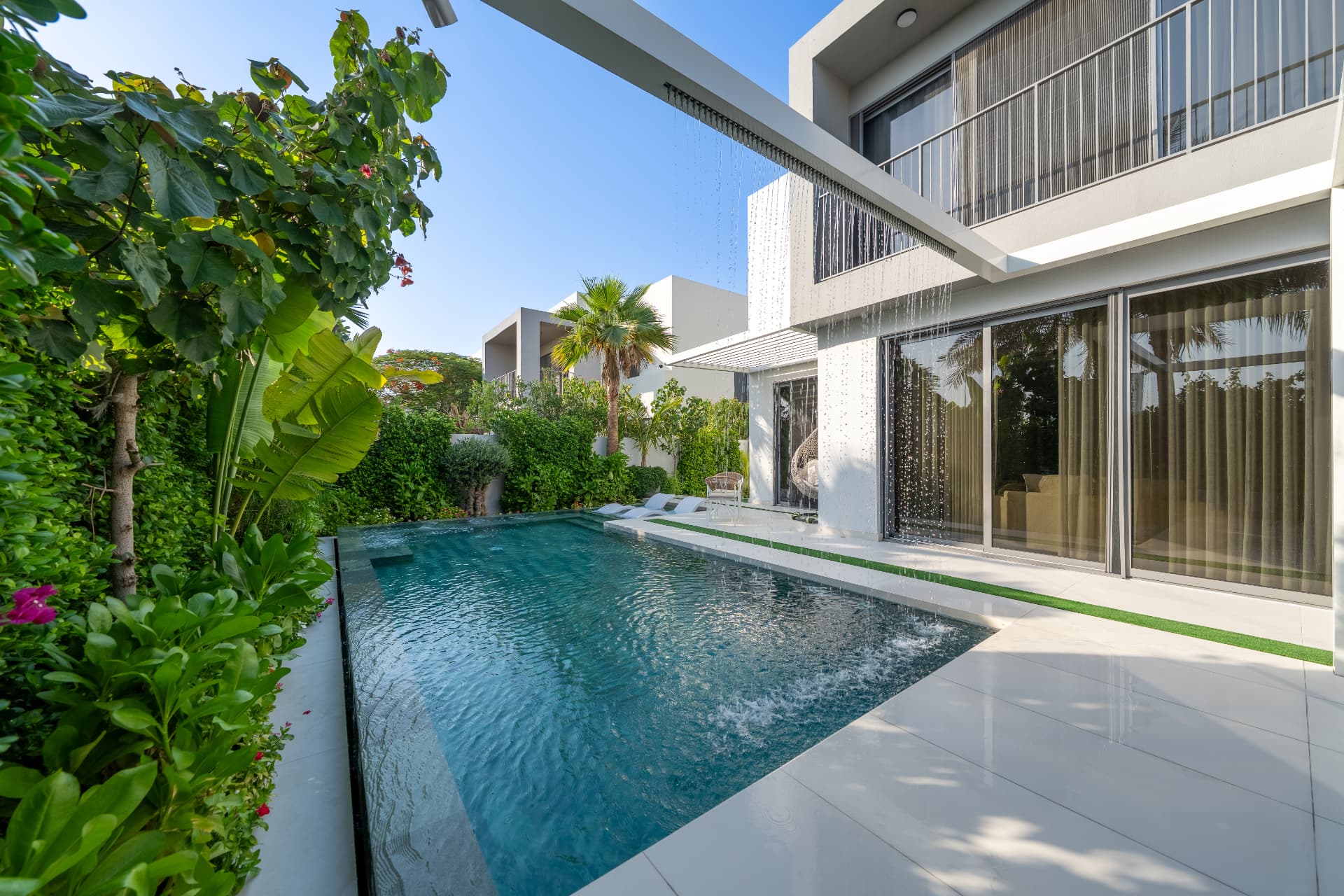
The kitchen is often one of the most intensively used spaces in a villa. A renovation can improve circulation, storage, preparation space, appliances, lighting, seating, the relationship with dining and the connection to outdoor spaces.
Before replacing cabinets in the same positions, ask whether the existing layout still makes sense. For some properties, changing the relationship between the kitchen and surrounding rooms has a larger impact than selecting more expensive finishes.
Bathrooms are highly visible during a renovation but they are also technical spaces. A successful bathroom renovation coordinates layout, waterproofing, drainage, plumbing, ventilation, lighting, sanitaryware, storage, tile detailing and maintenance access.
Avoid selecting materials solely because they photograph well. Consider slip resistance, water resistance, ease of cleaning, grout requirements, replacement availability and durability. A premium bathroom is usually defined by proportion, detailing and execution rather than the number of decorative features.
Villa extensions can create meaningful additional space when the existing footprint no longer works for the household — extended living areas, enlarged kitchens, additional bedrooms, home offices, family rooms, utility spaces or covered outdoor areas.
An extension affects more than floor area. It can influence structure, façade, services, natural light, circulation, landscape, setbacks and approvals, so it should be considered as part of the overall property design rather than as an isolated construction addition.
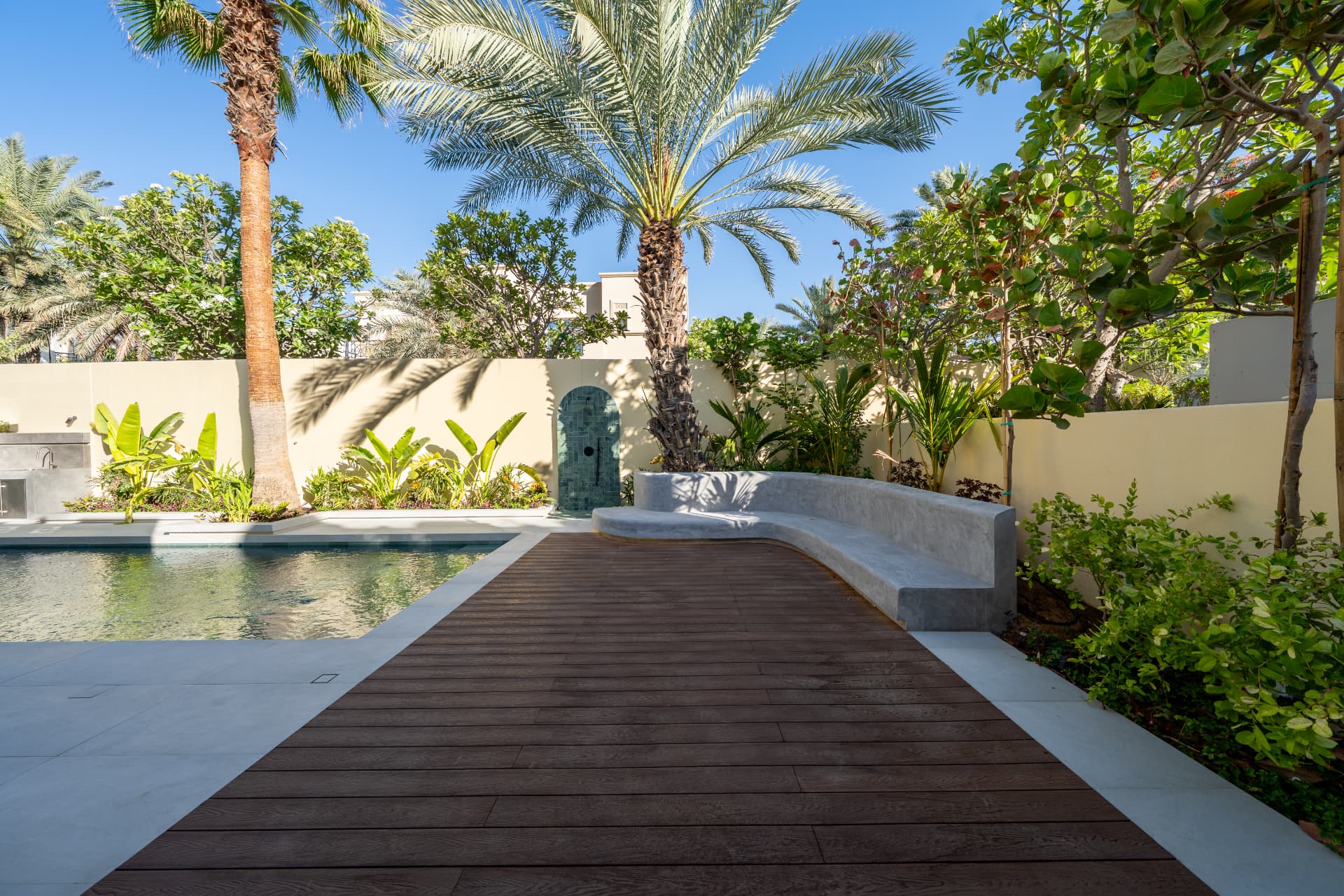
A fully renovated villa with an untouched or poorly coordinated garden can still feel incomplete. The landscape contributes to first impressions, privacy, shade, views from inside, outdoor circulation, entertaining, pool integration, material continuity and evening use.
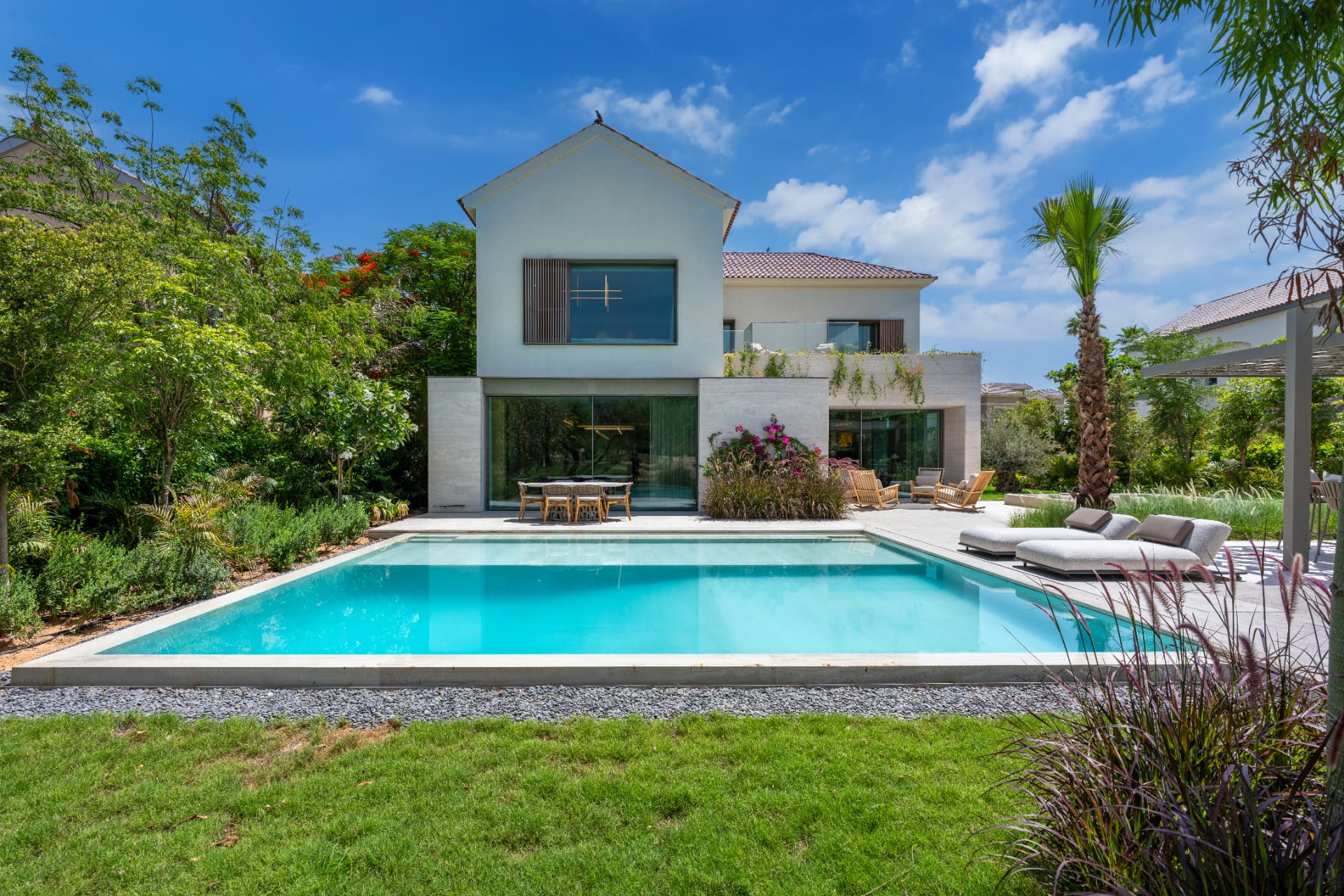
A pool should not feel like an object placed in the remaining garden space. When renovation and pool works happen together, consider sightlines from the villa, surrounding paving, seating, steps, levels, drainage, planting, privacy, lighting, pergolas, pool equipment and maintenance access.
A redesigned pool environment can significantly change how the entire exterior is experienced. If the project includes construction of a new pool, coordinate it with the wider landscape and villa design from the beginning.
Outdoor space is more useful when it responds to Dubai's climate. Consider where shade is required during different parts of the day — pergolas, covered terraces, architectural extensions, planting, strategic tree placement or integrated shading systems.
Instead of filling the garden with features, define where people will actually sit, eat, walk and spend time, then design the outdoor environment around those activities.
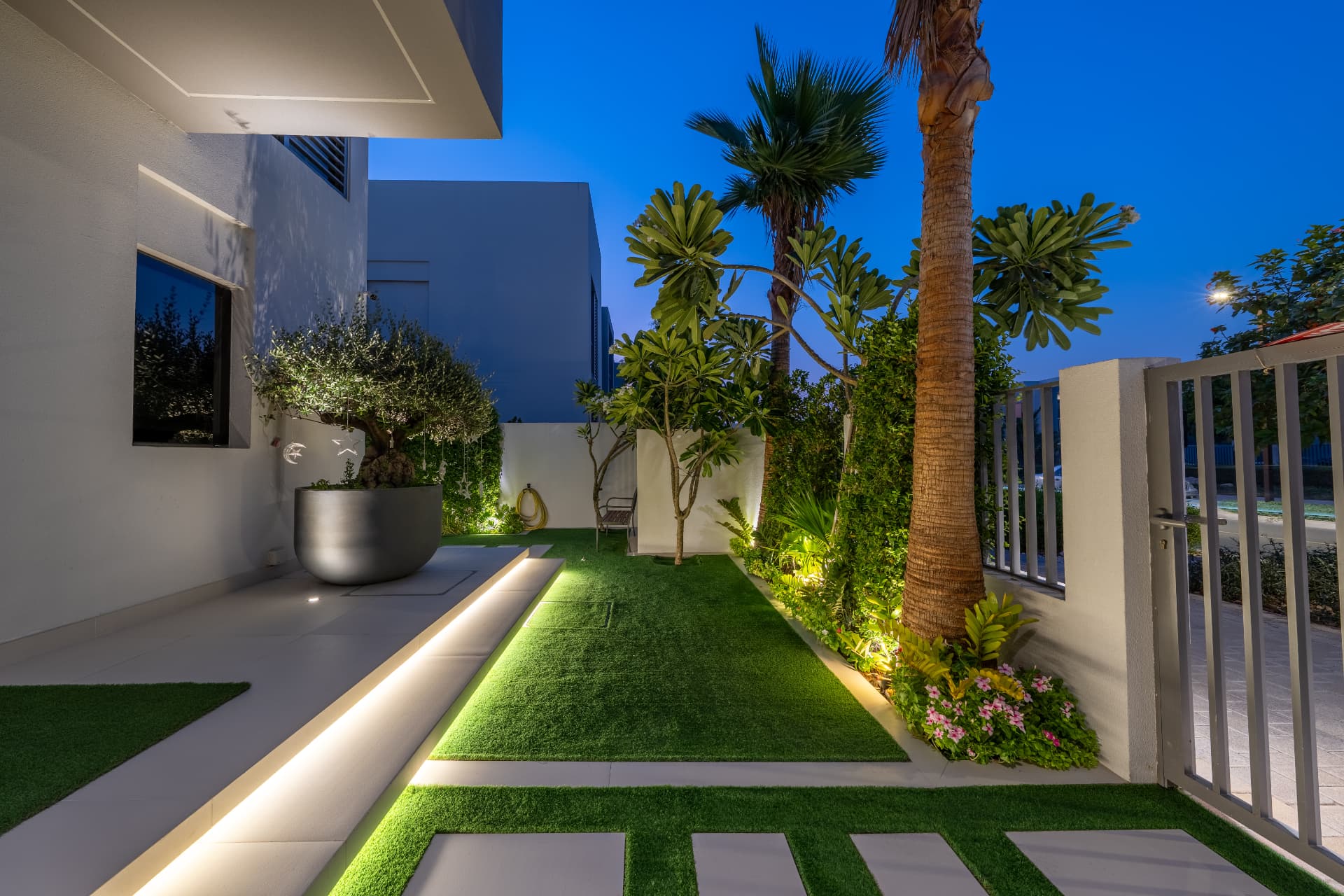
Lighting can unify a renovation in ways that are easy to underestimate during daytime design. Consider interior spaces, façades, entrances, pathways, steps, planting, trees, pergolas, pools and water features together.
Different areas require different lighting functions. A pathway needs safe visibility, a tree may benefit from subtle uplighting, a dining area needs useful illumination and a pool requires appropriate technical lighting. Avoid using the same brightness and colour temperature everywhere without considering the purpose of each space.
A comprehensive renovation is also an opportunity to assess electrical systems, plumbing, drainage, AC, lighting infrastructure, water systems, pool equipment and external services. New finishes can hide old infrastructure without improving it.
The appropriate level of technical work depends on villa age, existing condition, renovation scope, planned new loads and layout changes, so technical assessment should happen early in the project.
A property does not become more premium simply by using more finishes. Too many stone types, tiles, metals, woods and wall finishes can make a villa feel fragmented.
A more controlled palette creates continuity between interior, architecture, terrace, landscape and pool. Use variations where they serve a purpose, but maintain a clear overall material language.
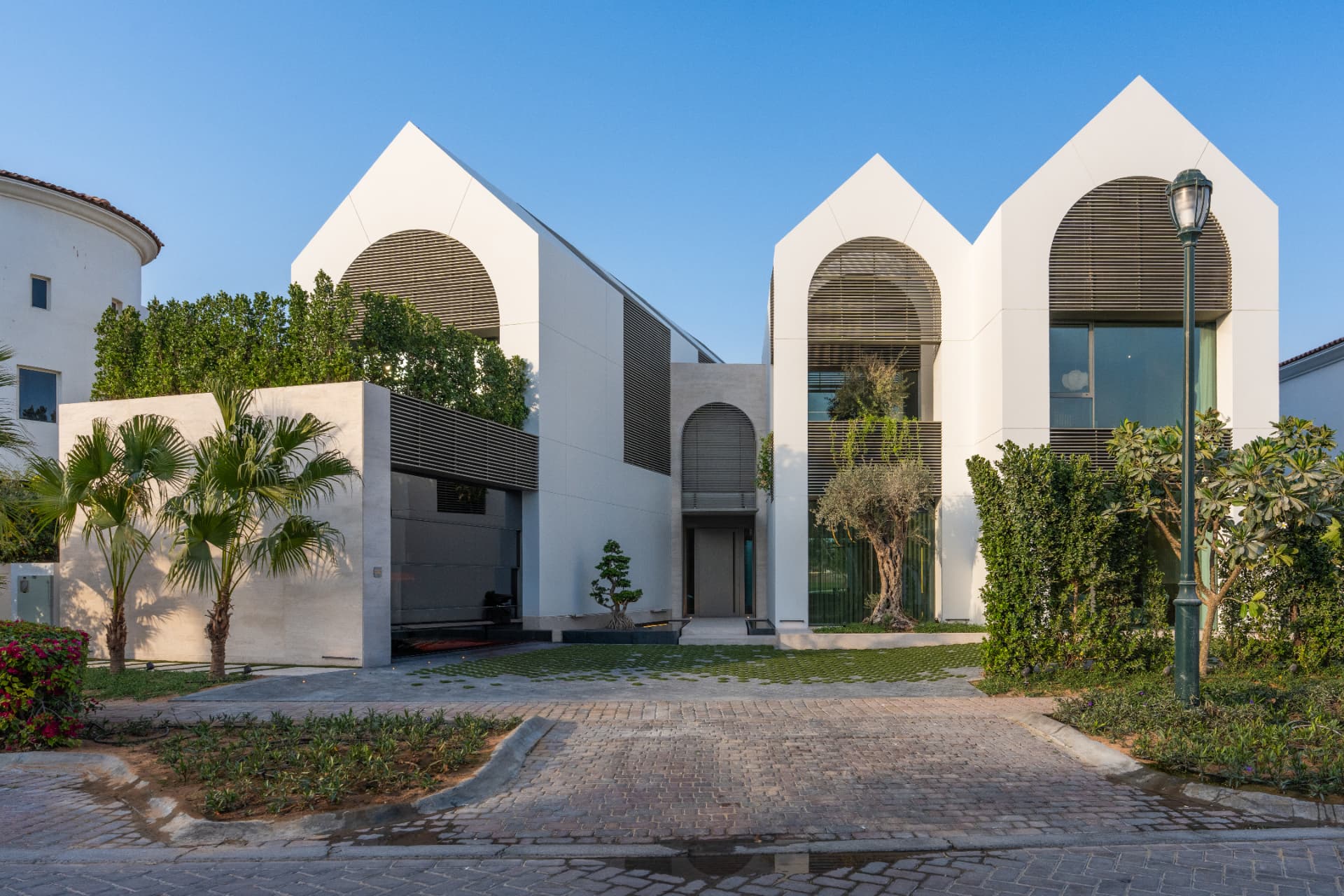
The experience of a villa begins before the front door. Exterior renovation can improve the entrance sequence, gate, pathways, façade details, lighting, planting, driveway, boundary walls, front garden and front door.
A strong entrance does not need excessive decoration. Clear proportions, good lighting, appropriate planting and consistent materials usually create a more confident result.
Villa renovation costs vary enormously because the term can describe anything from a cosmetic refresh to a complete strip-out and rebuild. Recent 2026 Dubai market guides commonly place comprehensive villa renovation in approximately the following broad ranges.
| Renovation level | Indicative Dubai market range |
|---|---|
| Cosmetic / light renovation | Approx. AED 150–250 per sq ft |
| Standard to mid-level full renovation | Approx. AED 250–500 per sq ft |
| Premium renovation | Approx. AED 500–650+ per sq ft |
| Extensive luxury / gut renovation | Can reach AED 600–1,200+ per sq ft depending on specification |
ImportantThese are broad third-party market indications for initial planning only. They are not Deco Living prices or quotations. Actual project costs depend on the villa, scope, structural work, MEP requirements, finishes, joinery, extensions, landscaping, pools and site conditions. A cost per square foot is not sufficient to price an actual project.
Whether the project is cosmetic, partial, a full renovation, a structural transformation, or a combined interior and exterior programme.
Older systems and hidden defects may require additional work once opened up.
Removing walls, extending the property or forming new openings can materially affect complexity.
Electrical, plumbing, AC and drainage changes can form a major part of a comprehensive renovation.
These typically contain more services, specialist materials, fixtures and installation requirements than simpler rooms.
Bespoke wardrobes, kitchens, storage, wall units and vanities can significantly influence the budget.
There is a substantial difference between standard, premium and highly bespoke finishes.
Adding landscaping, pools, pergolas, façade work, outdoor kitchens or water features takes the project beyond a purely interior renovation.
Occupied properties, restricted access and community restrictions can affect construction planning.
Improvements tend to be more valuable when they solve real problems in the property rather than when they follow a general trend.
A renovation that photographs well but makes the property less practical is not necessarily an improvement.
It depends on the property, the target buyer and the condition. A complete renovation is not automatically the right financial decision before a sale.
Major structural or highly personalised changes should be considered carefully when a property is being renovated primarily for resale. Nothing in this guide should be treated as financial or investment advice.
Some renovation work may require approvals or NOCs depending on the community, developer, property, authority jurisdiction, structural changes, extensions, façade modifications, MEP changes and the overall scope of construction. Not every renovation follows the same approval route.
Before construction begins, establish which approvals apply to the specific property and scope. Deco Living coordinates required project approvals with Dubai Municipality and relevant authorities where applicable; which permits or NOCs are included is defined per project rather than assumed.
The programme depends primarily on scope and complexity. A limited refurbishment and a full villa transformation should not be compared using the same timeline. Design development, approvals, material procurement, demolition, structural work, MEP, joinery, imported materials, interior finishing, extensions, landscaping, pools and client changes all influence the duration.
For larger projects, separating the process into design, approvals, procurement, construction, finishing and handover usually provides a clearer programme than a single generic duration.
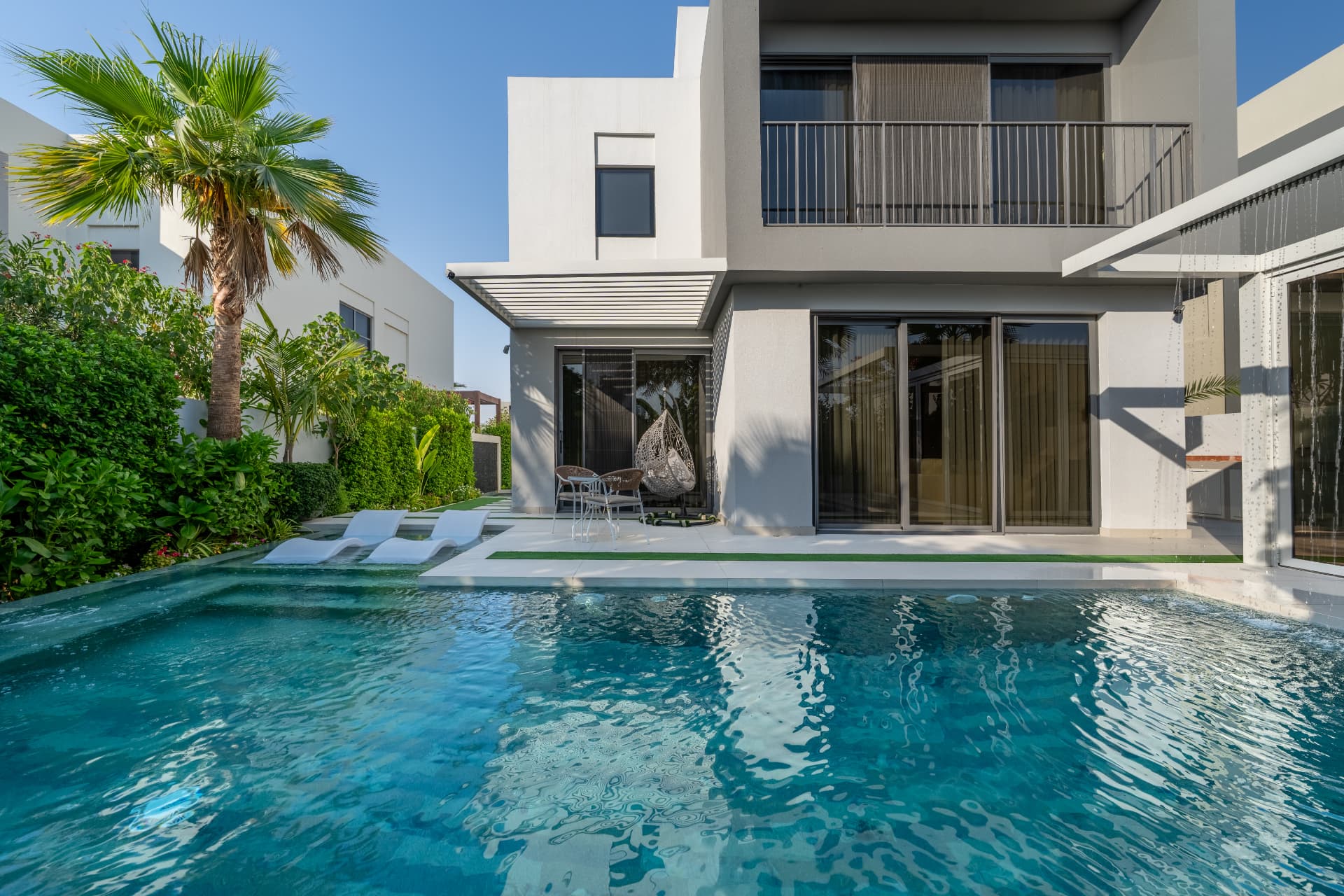
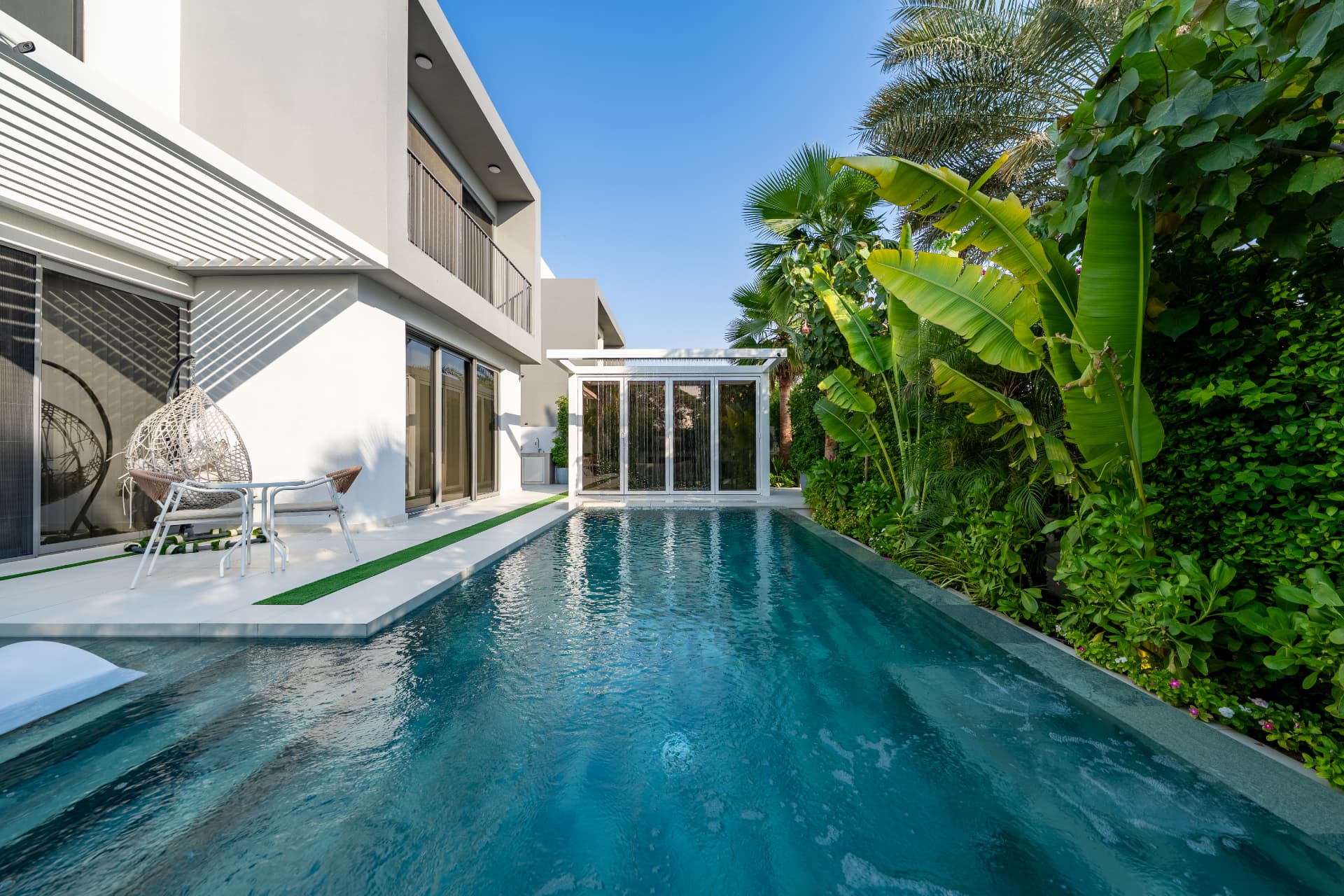
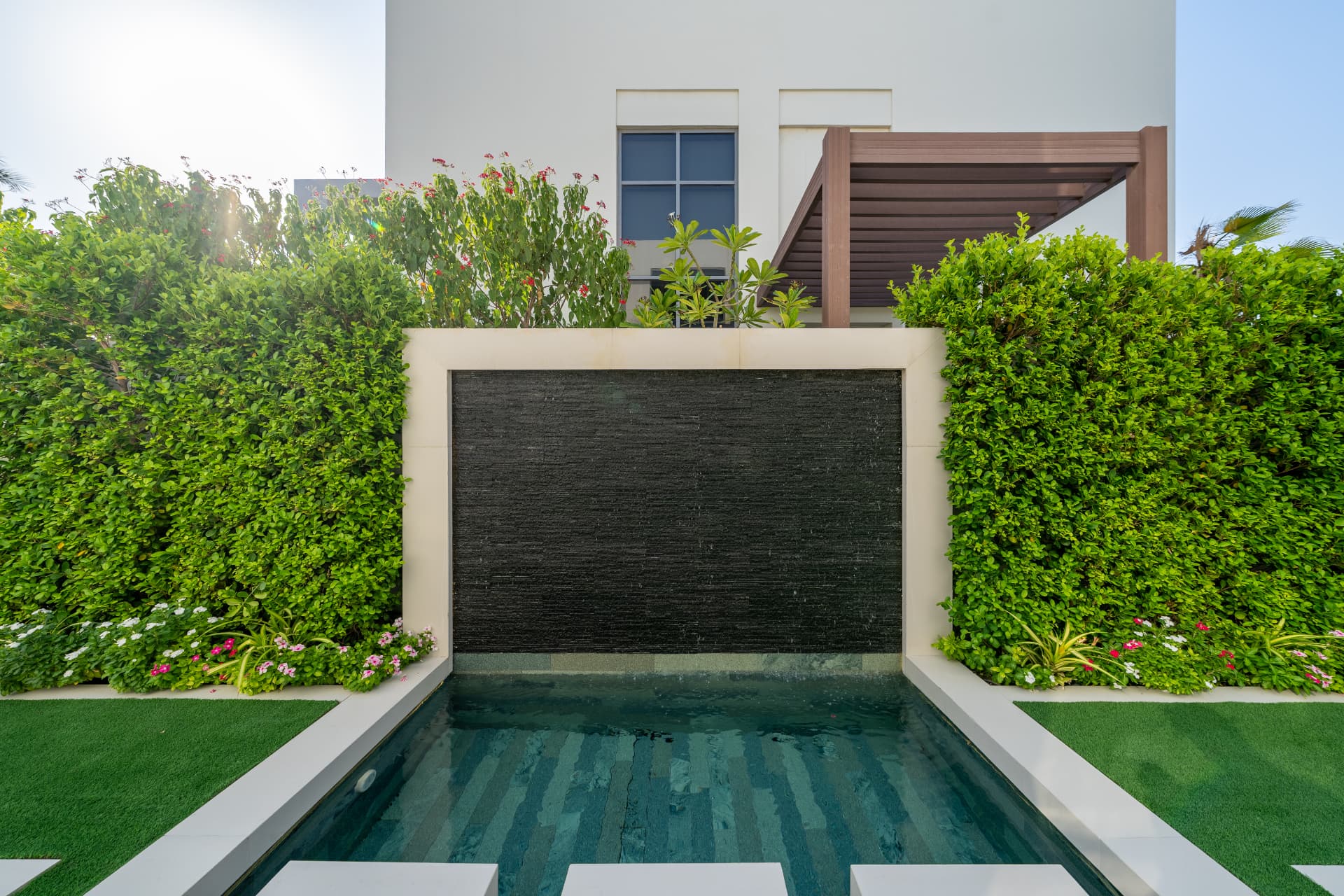
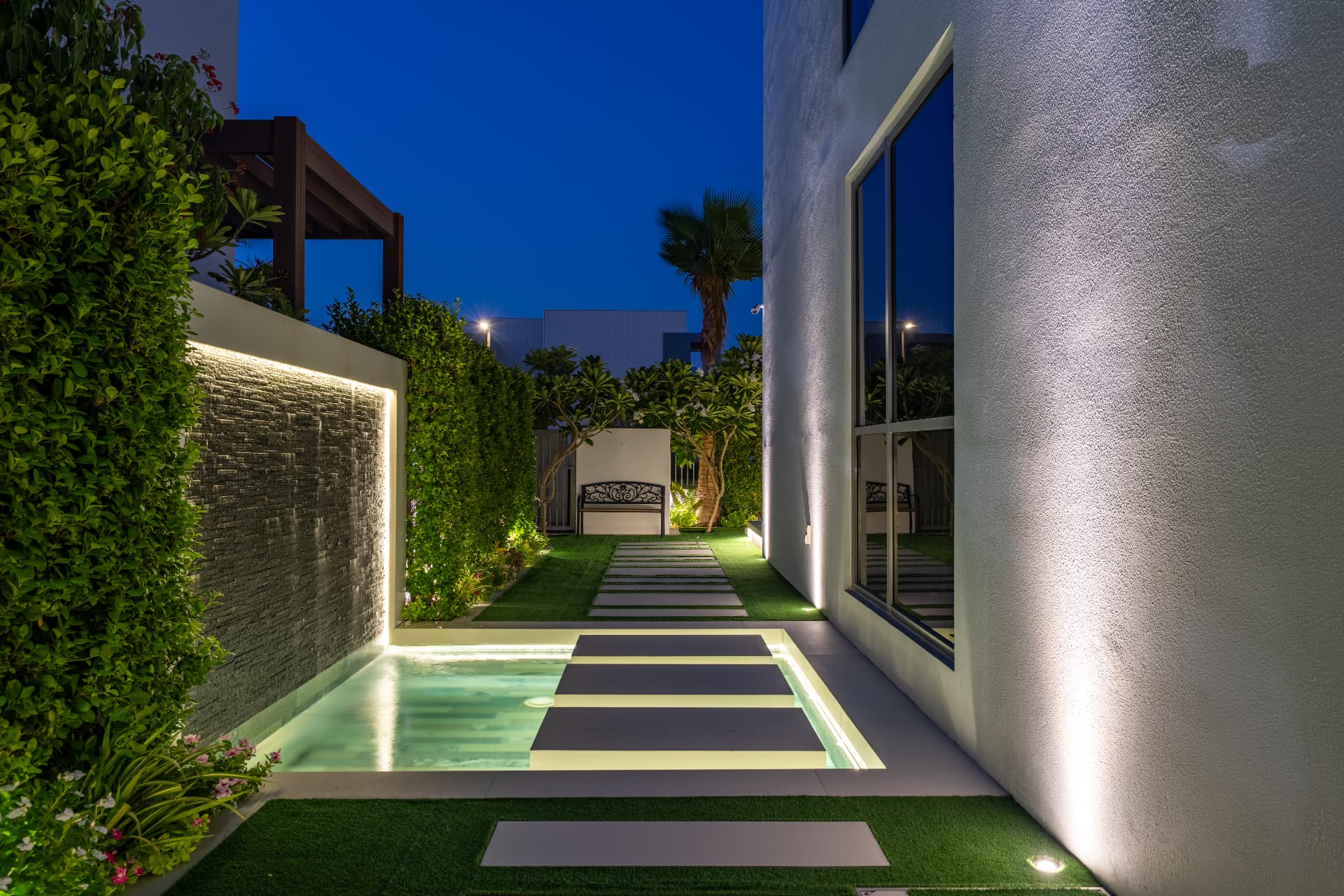
Villa 41 in Sidra 1, Dubai Hills Estate is one of the clearest examples of Deco Living's full design-and-build capability. The client wanted a complete transformation of both the interior and exterior, with a distinctive outdoor concept and bespoke water features. Deco Living developed the full interior and exterior design and coordinated the complete execution.
ScopeFull Interior & Exterior Design / Landscaping / Outdoor Living / Extensions / Renovation. Duration approx. 1 month design plus 4 months execution. Design refinements continued during construction while maintaining one overall direction across the property.
Content pendingVerified Villa 41 interior photography and original design drawings are to be supplied. No before images or renders are shown here because no verified assets exist — placeholders are used rather than substitute imagery.
From our projects
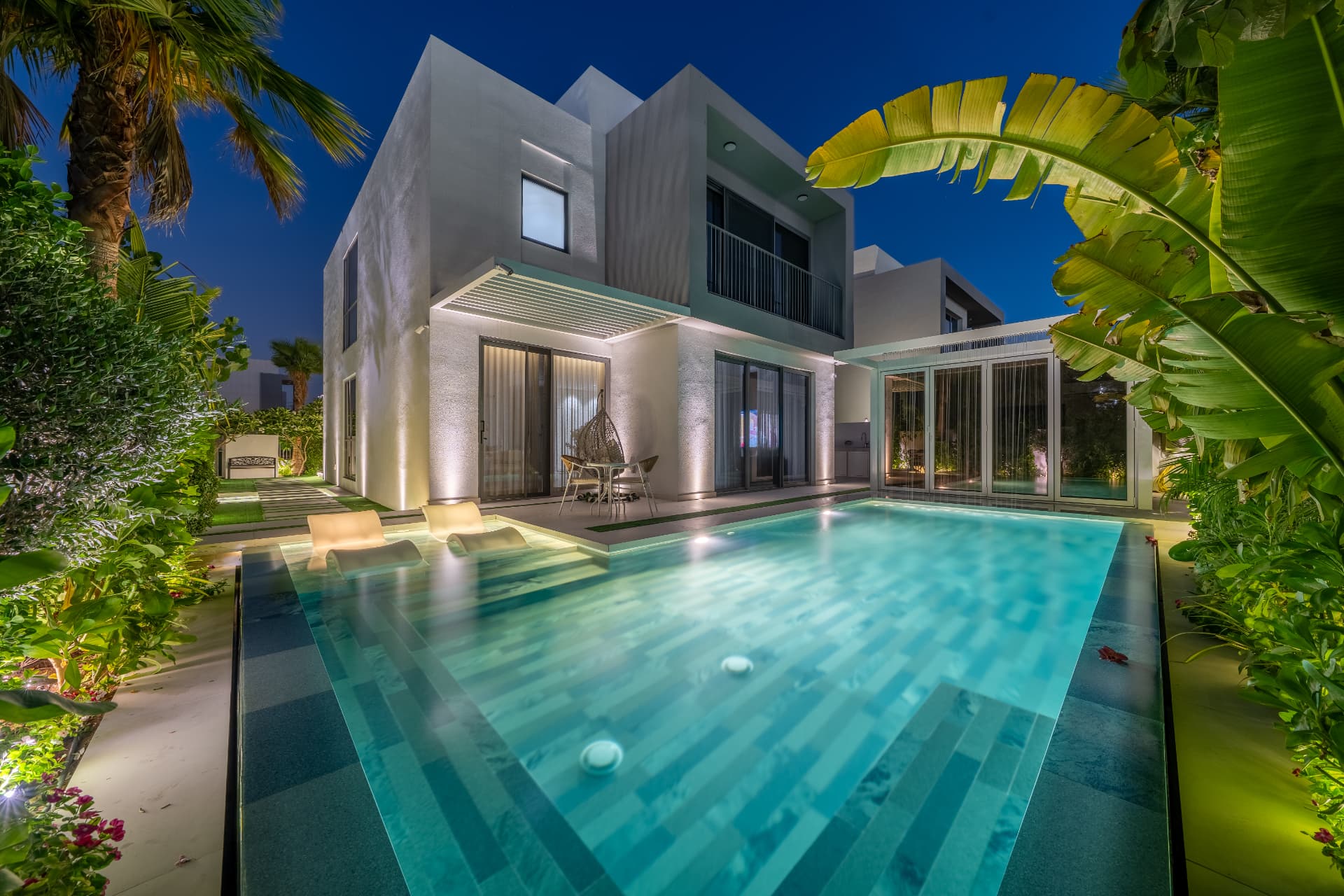
Full interior and exterior design and execution: renovation, extensions, landscaping, pergola, walkways, fountain and bespoke rain-water features.
View Villa 41Both approaches can be appropriate. Staged renovation may work when the budget is being phased, only selected areas require work, the property must remain occupied, or the areas involved are largely independent.
A complete renovation can be beneficial when multiple systems and spaces are interconnected. Changing the ground-floor layout, for example, may affect the kitchen, lighting, AC, flooring, garden access, terrace and landscaping — coordinating those changes at the same time reduces design conflicts. The best approach depends on how closely the required works are connected.
For minor refurbishment, sometimes. For extensive renovation, remaining in the property can be impractical or unsafe depending on the work involved.
The decision should be based on the actual scope rather than assuming every renovation can be completed around normal family life.
WarrantyWarranty coverage is subject to the individual project scope and contract terms.
A villa renovation can involve interiors, structural work, MEP, extensions, bathrooms, joinery, landscaping, swimming pools, lighting, aluminium and water features. When several of these are being transformed at the same time, the important question is not simply who performs each task — it is who coordinates how those decisions affect one another.
Deco Living works across interior, exterior, landscape and pool scopes, allowing complete villa transformations to be developed around one overall property direction where required.
Improve how the property works. Then improve how it looks. And make every part belong to the same design.
Questions
Villa renovation costs vary significantly. Published Dubai market guides in 2026 commonly place comprehensive renovations around AED 250–500 per square foot, with higher-end and extensive structural renovations reaching AED 600–1,200+ per square foot. These figures are broad market indications rather than Deco Living pricing.
Not always. If the required works are closely connected — for example interior layout, extensions, MEP, garden and pool changes — coordinating them as one project can reduce conflicts. More independent upgrades may be suitable for phased renovation.
Improvements that solve real functional or maintenance problems generally create the most meaningful value. These may include better layouts, kitchens, bathrooms, useful extensions, updated technical systems, landscaping and improved indoor-outdoor connections. There is no guaranteed return for any individual improvement.
Some renovation works require developer, community or authority approvals depending on the property and scope. Structural changes, extensions, façade work and certain technical works may have additional requirements. The applicable approvals should be established before construction begins.
There is no single duration. A comprehensive renovation may involve design, approvals, procurement, structural changes, MEP, interiors, landscaping and external works. The project programme should therefore be based on the actual scope.
Yes. Deco Living's capabilities include interior and exterior extensions, fit-out and renovation, landscaping, swimming pools, outdoor living, bathrooms, lighting, MEP, aluminium and related works. The exact scope is defined for each project.
Yes, where required. Integrating these elements with the villa design can help coordinate layout, levels, materials, lighting, drainage and the overall indoor-outdoor relationship.
About Deco Living
Deco Living is a Dubai-based design and execution company working across landscaping, swimming pools, outdoor living, renovation and complete villa transformations. Founded in 2020, the company’s portfolio includes more than 200 completed projects.
About Deco LivingPlanning a villa renovation?
Tell Deco Living what you want to change — inside, outside or across the complete property. We can review the existing villa, priorities and required scope before determining the right next step.
Continue reading
Landscaping
What villa landscaping costs in Dubai, why prices vary so widely, and how to budget for hardscape, planting, irrigation, lighting and outdoor structures.
Read Article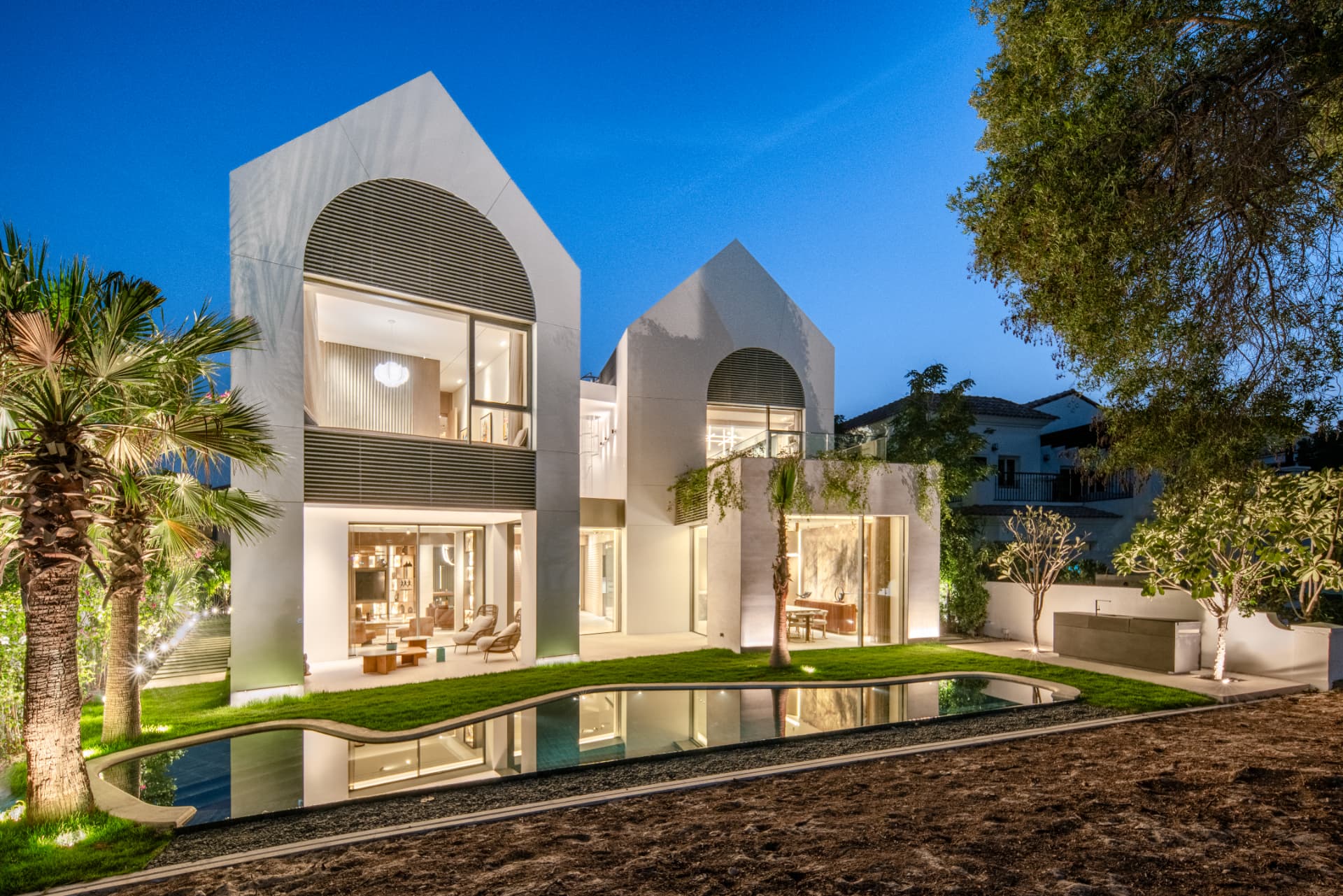
Swimming Pools
Costs, pool types, construction sequence, approvals, filtration, finishes, timelines and maintenance — what to understand before building a villa pool in Dubai.
Read Article